If you keep pets in South-East Queensland, this is the one article I’d want every owner to read. Paralysis ticks are just part of life here — but they’re not something to be casual about. The reassuring bit is that a couple of simple habits, done consistently, are genuinely your best protection. Here’s what they are, what to watch for, and what I do about ticks when I’m caring for your animals.
First, what are we dealing with?
The Australian paralysis tick (its proper name is Ixodes holocyclus) lives right along the eastern coast, and South-East Queensland is prime territory — bushland, long grass, leaf litter, and plenty of ordinary suburban backyards that back onto reserves. They’re busiest in the warmer, humid months, roughly spring through autumn, but here in the south-east they can turn up at any time of year. That’s why I don’t treat any month as a complete day off.
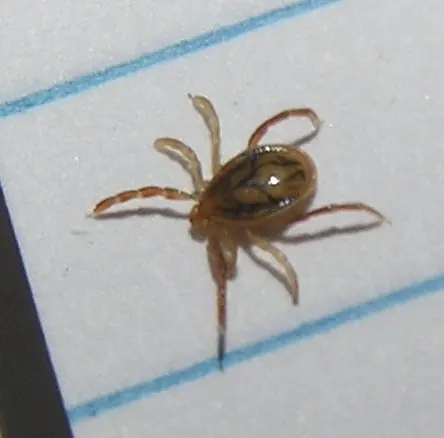
Why they’re so serious
What makes them dangerous is the toxin they inject as they feed. Over a few days it causes a creeping, ascending paralysis — it usually starts in the back legs and works forward. Left untreated it can affect breathing and swallowing, and it can be fatal. I won’t pretend that isn’t frightening. But pets who are checked daily and seen early do very well. With this one, early is everything.
The early warning signs
If you notice any of these — especially the first two — ring your vet straight away, even if you haven’t found a tick:
- Wobbly, weak or uncoordinated back legs
- A changed bark or meow — it can sound hoarse or different
- Gagging, coughing, or trouble swallowing
- Vomiting, or bringing up food and water
- Heavier or noisier breathing
- Just seeming “off” — tired, wobbly, or not themselves
Don’t wait and see with these. Time genuinely matters, and vets would far rather see a healthy pet for a false alarm than a very sick one a day too late.
The daily check — where to look
About three-quarters of paralysis ticks are found forward of the shoulders — around the head, ears, neck and mouth — so that’s where to search hardest. But they can attach anywhere, so run your hands slowly over the whole body every day, parting the fur and feeling for a lump. A feeding tick can feel like a small wart or skin tag, anywhere from a grain of rice up to a pea. On short-haired pets you’ll often feel it before you see it.
- In and around the ears (inside them too)
- The face, muzzle and under the chin
- The neck and throat, and under the collar
- Shoulders, down the front legs, and the armpits
- The groin, belly, and between the toes and pads
- Under the tail and around the bottom
If you find one: removing it safely
The aim is to remove the tick whole, without squeezing its body — squeezing can push more toxin in. Here’s the safe way to do it:
Safe tick removal, step by step
- Use fine-tipped tweezers or a purpose-made tick remover — not your fingers.
- Grip the tick as close to the skin as you can, right where the mouthparts go in.
- Pull straight up, slow and steady. Don’t twist, jerk or squeeze the body.
- Clean the spot, keep the tick in a bag or container in case your vet wants to see it, and watch your pet closely for the next day or two.
An honest word: removing the tick is only half the story — the toxin is already in. If your pet is showing any of the signs above, or you’re not sure you got the whole thing, see your vet regardless. And if you’d rather not tackle it yourself, that’s completely fine — leave it and get to a vet. Nobody will think less of you.
Prevention
The best prevention is a vet-prescribed tick product, and there are several good ones now. But which one suits your pet — and your other animals — is a conversation to have with your vet, not something to guess at off a supermarket shelf. Even the best prevention isn’t one hundred per cent, so it works alongside daily checks, never instead of them. If your dog swims or gets bathed a lot, mention that too — it can change which product works best.
What I do about ticks
When I’m caring for your pets, a tick check is part of the routine — a proper hands-on once-over, especially after any time outside, and I know the early warning signs to watch for. But I’m there for visits, not around the clock, so the daily check is something the whole household can share. Between us, your pet gets looked over far more often than they would otherwise — which is exactly the point.
With paralysis ticks, the daily check isn’t fussing — it’s the single best thing you can do.
Small habit, big protection
None of this is complicated. A daily run of the hands, a vet chat about prevention, and knowing the early signs — that’s most of the battle right there. When I’m looking after your pets, the tick check comes as standard, so you can head away knowing someone’s keeping an eye out.
Heading away?
A pair of eyes on your pets while you’re gone.
Book a free meet & greet and I’ll build a daily tick check into every visit, across Western Brisbane & Ipswich — along with everything else your pets need to stay happy at home.
Book a meet & greet