Brisbane doesn’t ease into summer — it turns hot and sticky early, and it catches pets out every year. None of this is complicated, though. A few small habits keep your animals comfortable through the worst of it, and out of real trouble.
1. Water, and then more water

Put out more water than you think they need, in more than one spot, and keep it topped up and in the shade. Dogs and cats both drink more in the heat, and a knocked-over bowl on a 35-degree day is a genuine problem. When I’m visiting over summer, fresh water goes in as part of every single visit — not just a top-up on the way out.
2. Walk early or late — and test the path
Walk in the early morning or the evening, not the middle of the day. Footpaths and bitumen get hot enough to burn paw pads. The quick test: press the back of your hand to the ground and hold it for five seconds. If you can’t, it’s too hot for their feet. When it’s humid, keep walks shorter and slower and let them set the pace.
3. Never leave a pet in the car
Not for five minutes, not with the windows cracked. A parked car turns into an oven fast, even on a mild Brisbane day. It’s the one thing that turns tragic every summer, and it’s completely avoidable — leave them home where it’s cool.
4. Know the signs of heat stress
Heatstroke moves quickly, so it’s worth knowing what it looks like. Flat-faced breeds like pugs and bulldogs, older pets, and overweight ones feel it hardest.
Heat stress — what to watch for
If you spot these, act straight away:
- Heavy, frantic panting or drooling
- Bright red or very pale gums
- Wobbliness, confusion or weakness
- Vomiting or diarrhoea
- Collapse or unresponsiveness
Move them somewhere cool, wet them down with cool (not icy) water — belly, paws and armpits — offer small sips, and ring your vet on the way. Heatstroke is an emergency, and minutes matter.
5. Ticks love this weather too
South-east Queensland has paralysis ticks, and the warmer months are their busy season. They’re serious. Run your hands over your pet every day — especially after they’ve been in long grass or bush — and check around the head, neck, ears and mouth. Early signs can include wobbly back legs, a change in their bark or meow, or gagging. If something’s off, don’t wait — see your vet. Prevention is a vet conversation, and one worth having before summer really hits. I keep an eye out for ticks when I’m handling your pets, but a daily check is something the whole household can pitch in on.
6. Cool spots — including for the exotics
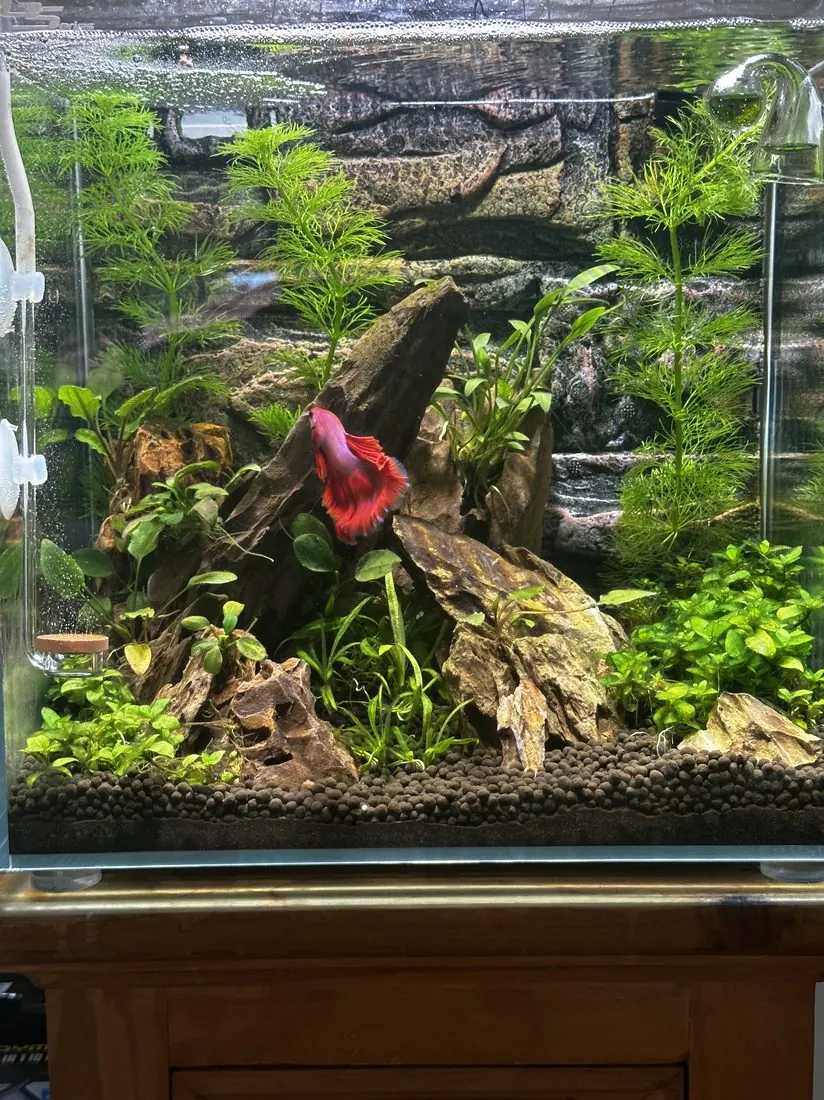
Give them somewhere to escape the heat: tile floors, a fan, a damp towel to stretch out on, blinds drawn on the sunny side. It matters just as much for the animals people forget about in a heatwave — I keep an eye on aquarium temperatures and reptile enclosures when I’m caring for them, because a hot snap can push a tank or a basking spot out of its safe range in a hurry.
In a Brisbane summer, shade and water aren’t luxuries — they’re the routine.
Small habits, big difference
None of this is dramatic — it just gets built into the day. When I’m looking after your pets over summer, the heat stuff comes as standard: fresh water every visit, cooler walk times, a daily tick check, a look at the exotics’ temperatures, and somewhere shady to settle. So you can enjoy your break knowing they’re keeping their cool at home.
Heading away this summer?
Keep them cool at home.
Book a free meet & greet and I’ll build the summer routine — fresh water, cooler walks, tick checks and shade — into every visit across Western Brisbane & Ipswich.
Book a meet & greet