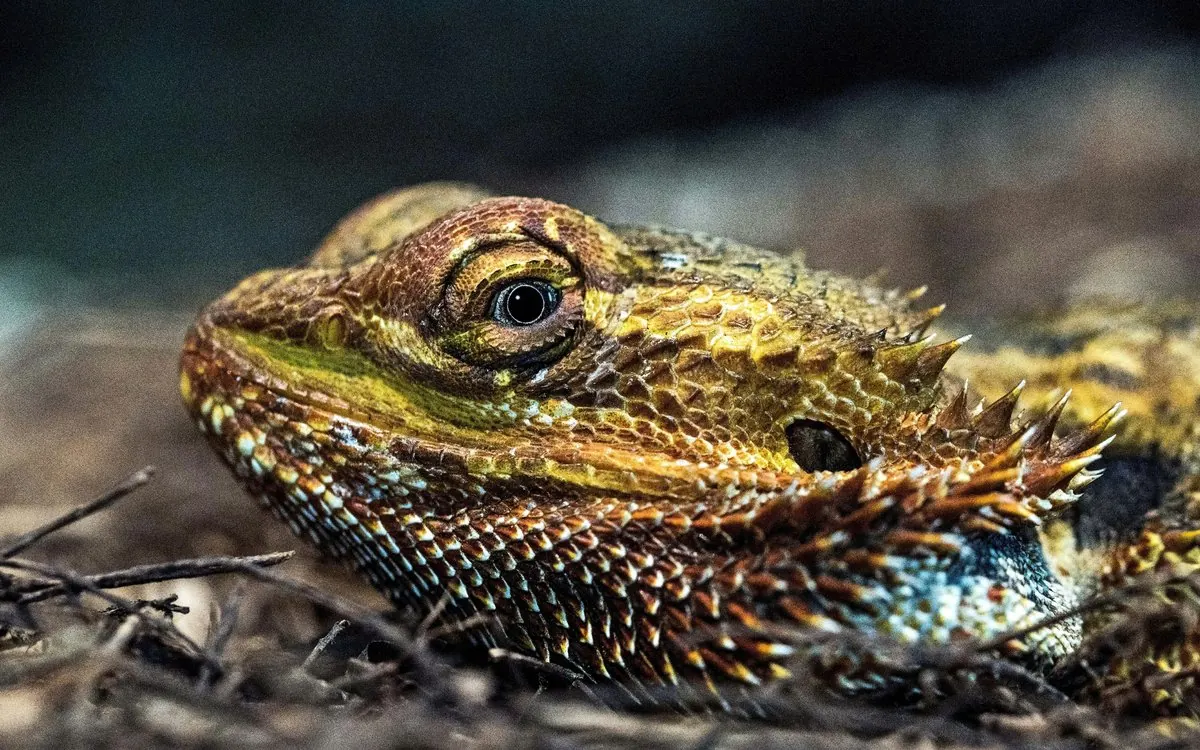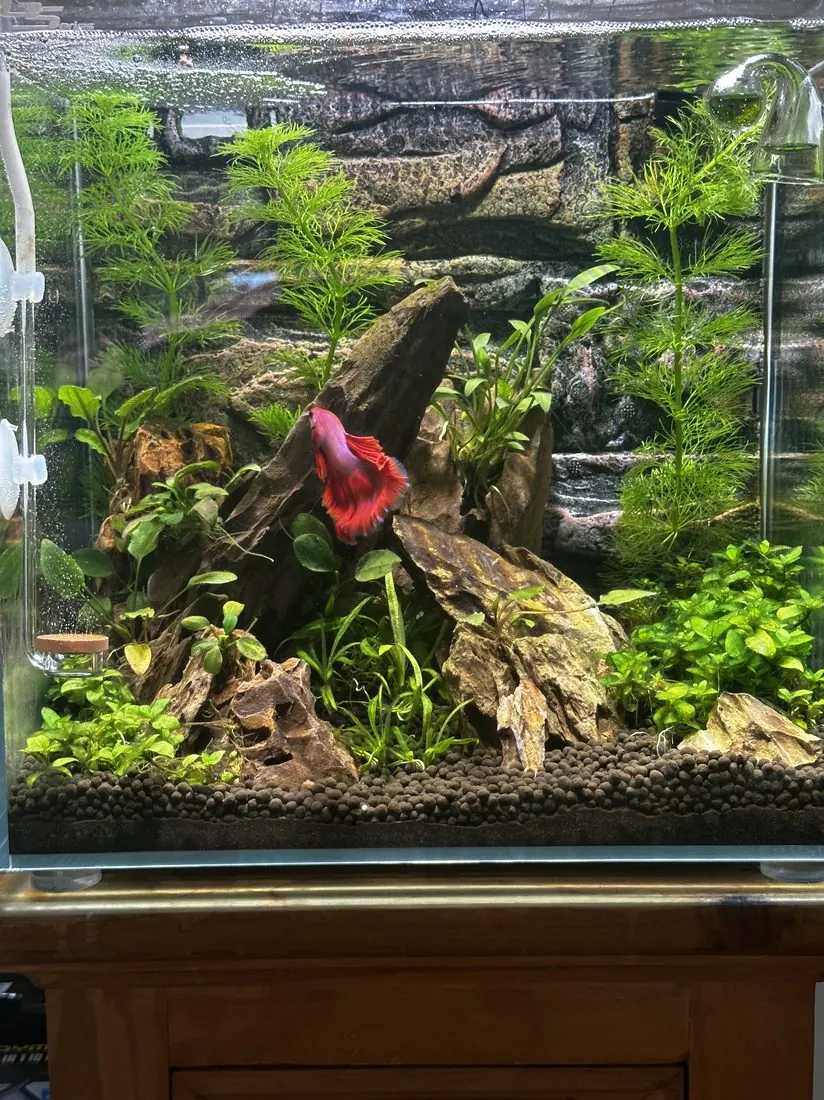
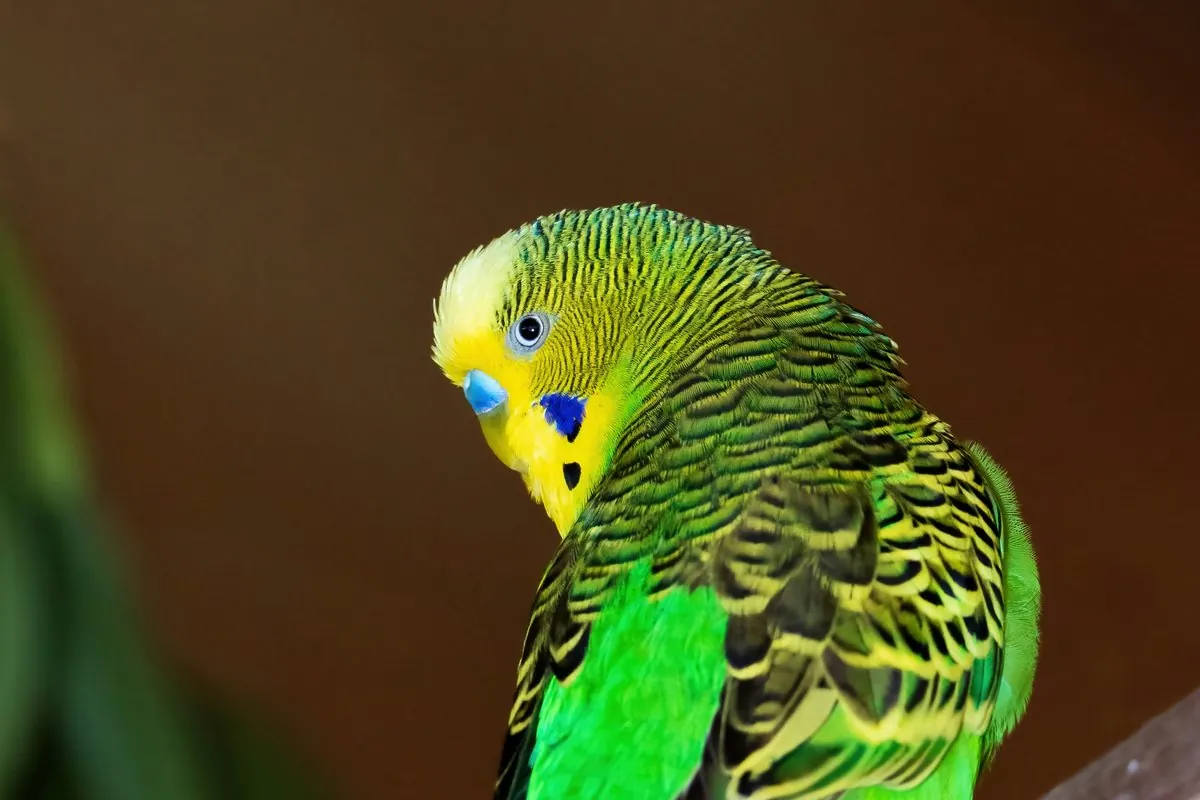
Birds are brighter and more sensitive than most people expect — clever, deeply social, and quick to notice when something’s off. Whether it’s a budgie, a cockatiel, a big characterful parrot or a few backyard chooks, a little of the right care goes a long way.
Company and things to do
Birds are flock animals. In the wild they’d spend their whole day with others, foraging and chattering, so company and stimulation aren’t a luxury for them — they’re a need. A bored bird is a stressed bird, and stress is behind a lot of problems like feather-plucking. Toys, foraging puzzles, and rotating what’s in the cage all help. When I visit birds, I spend a bit of time with them — a chat and some company, not just food-and-go.
Fresh food and water, every day
Clean water daily is a must (more in the heat), and old or spoiled food needs to come out. The big one people get wrong is diet: a seed-only menu is one of the most common causes of poor health in pet birds. Most do far better on a base of quality pellets with fresh veg and a little fruit. Whatever your bird’s used to, leave it written down and I’ll keep them on it.
A safe spot in the house
Birds have delicate airways, and some everyday household things are genuinely dangerous to them: fumes from overheated non-stick (Teflon) cookware, aerosols, strong cleaning products and smoke can all be deadly, fast. Keep the cage out of the kitchen firing line, away from draughts and direct sun, and safe from the cat or dog. It’s the kind of thing I keep half an eye on while I’m there.
Watch for the quiet signs
Like a lot of prey animals, birds hide illness until they really can’t — so by the time something shows, it matters. Sitting fluffed up, resting on the floor of the cage, tail-bobbing when breathing, a change in droppings, or going off food are all worth a prompt call to an avian vet. Knowing your bird’s normal is what makes the change stand out.
A word for the backyard chooks
Chickens are easy and genuinely rewarding to keep, and I’m happy to look after them too. Fresh food and water, eggs collected, and — most importantly — a coop that’s shut up securely at night against foxes and other visitors. A few hens ask very little and give a lot back.
A happy bird is a busy bird — company and things to do matter as much as food and water.
Happiest at home
Birds do best staying in their own cage or coop, with the routine, the sounds and the space they know — a big part of why I come to them rather than moving them anywhere. A sitter who tops up food and water, keeps things clean, collects the eggs and gives them a bit of company is really all they need. If you’ve got a bird — a cheeky parrot or a quiet little budgie — they’re very welcome on my rounds.
Fish, reptiles & exotics
The pets others won’t take.
Aquariums, reptiles, birds and small pets — I’m happy with the animals a lot of sitters turn away. Book a free meet & greet across Western Brisbane & Ipswich.
Book a meet & greet