
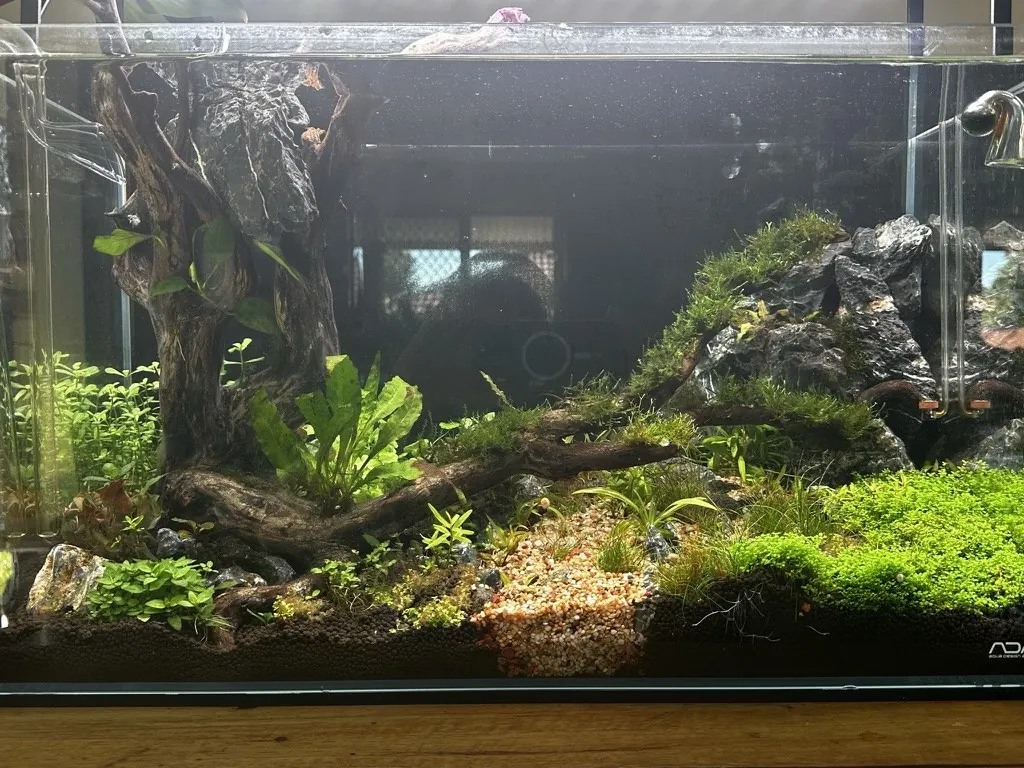
This one’s close to my heart — when I’m not out on visits, I keep and aquascape planted tanks and breed ornamental shrimp at home. Whether you’ve run tanks for years or you’re setting one up for the first time, a healthy aquarium comes down to the same handful of things, done consistently — not fancy kit or a big budget. Here’s what I keep coming back to, and what I actually look at when I’m minding someone else’s tank.
It’s all about the water
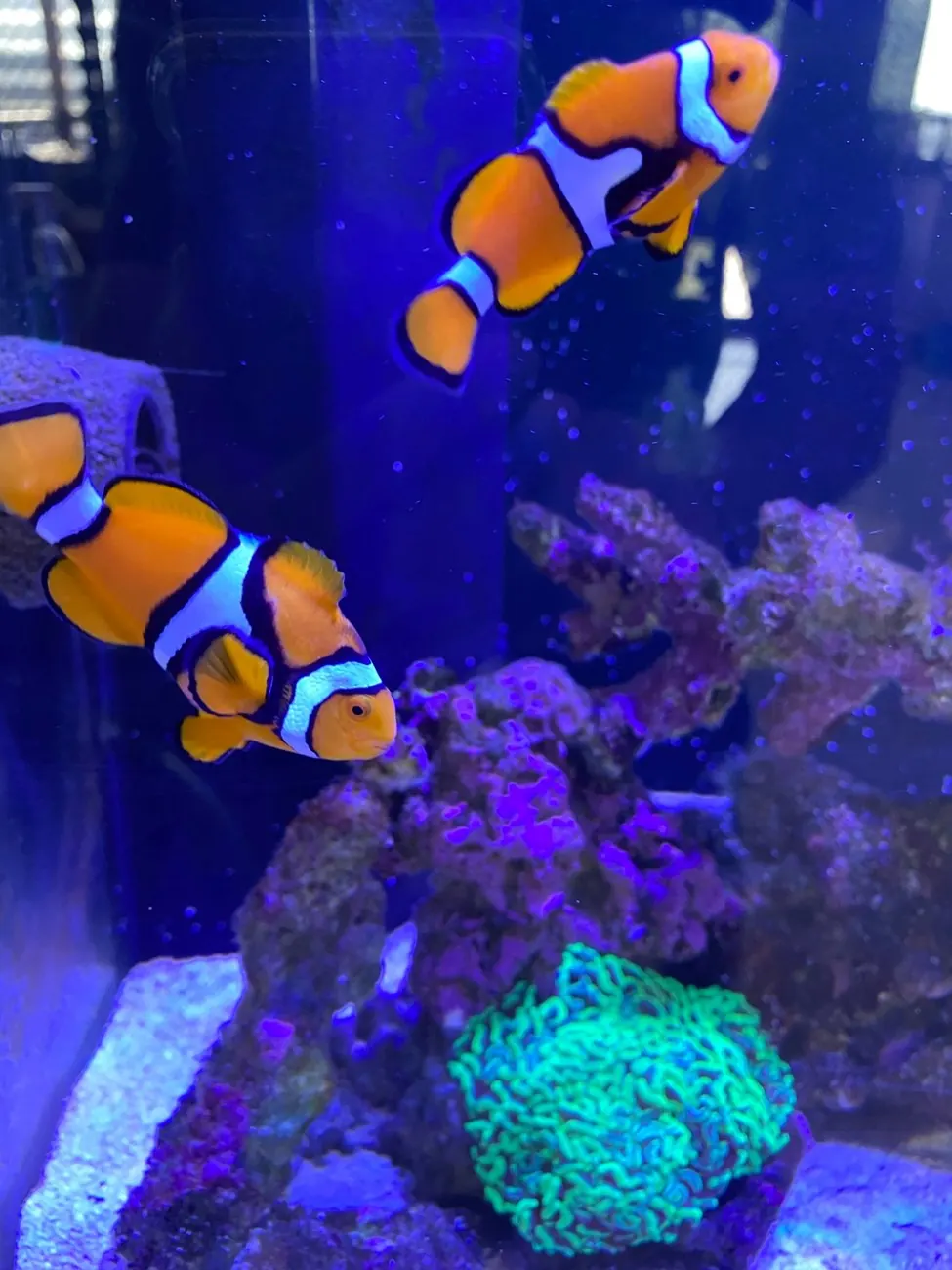
Fish live in their own bathroom, so the water is everything. A new tank needs a few weeks to build the bacteria that process waste — the nitrogen cycle — before it’s ready for a full load, and steady weekly changes of around a fifth keep it stable after that. A test kit takes the guesswork out of knowing where your parameters actually sit, rather than guessing from how the water looks.
Go easy on stocking and feeding
The two most common ways a tank goes wrong are too many fish and too much food. Feed small amounts — only what they finish in a couple of minutes — because leftover food just rots and fouls the water. And fewer fish in more space is nearly always a happier, healthier tank than a crowded one.
Filtration and flow
A filter isn’t optional — it’s where most of that bacteria lives. It’s also easy to undo weeks of work in a single rinse: tap-water chlorine kills that bacteria, so filter media gets a swish in a bucket of old tank water instead, and only when the flow actually starts to drop off.
Live plants earn their keep
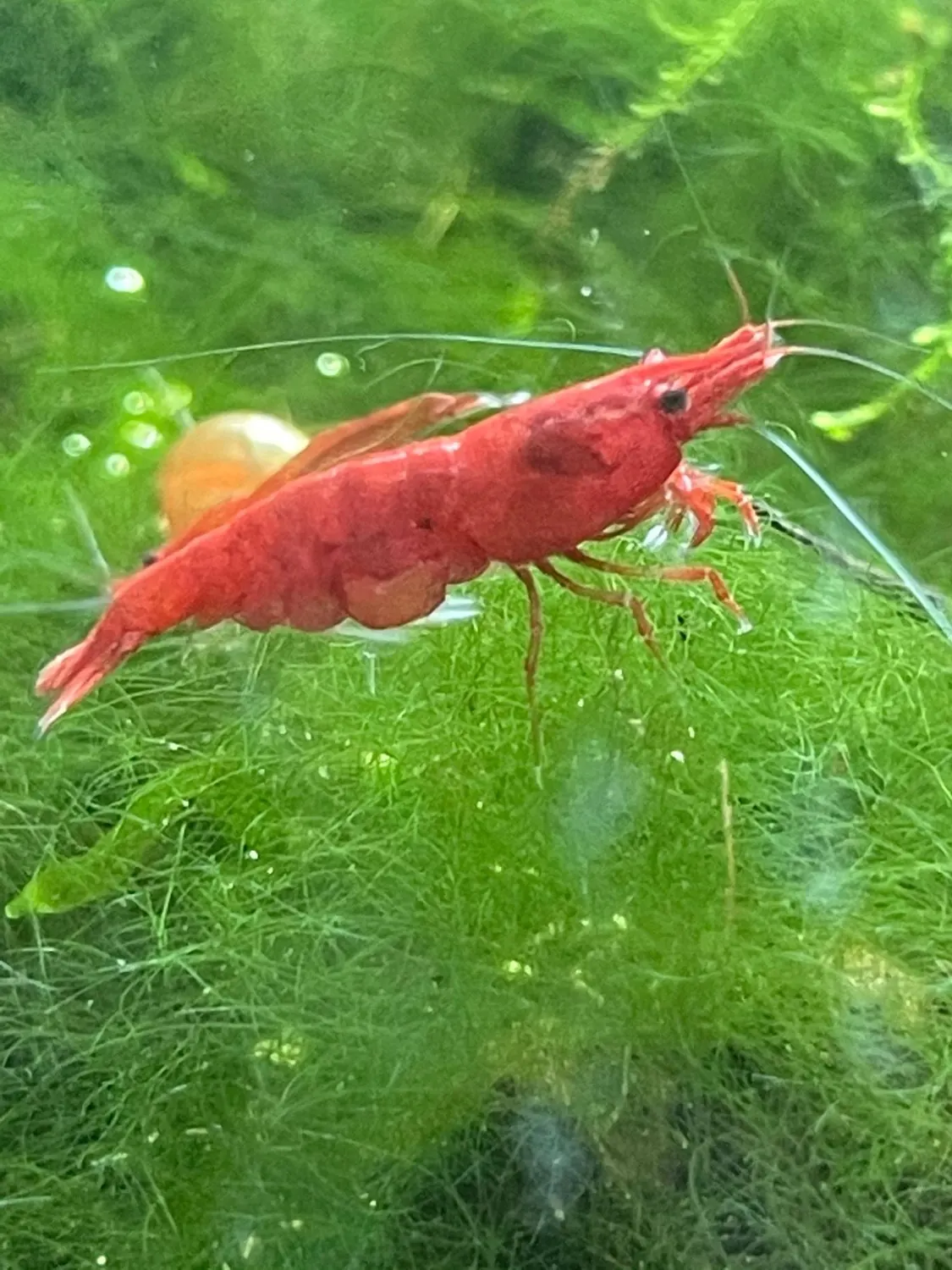
Real plants do a lot of quiet work: they use up the waste nutrients that would otherwise feed algae, they add oxygen, and they give fish and shrimp cover to feel safe. You don’t need high-tech gear either — a few easy, low-light plants make a real difference. It’s a big part of why I aquascape: a planted tank is healthier and lovely to look at.
Watch an aquascape grow
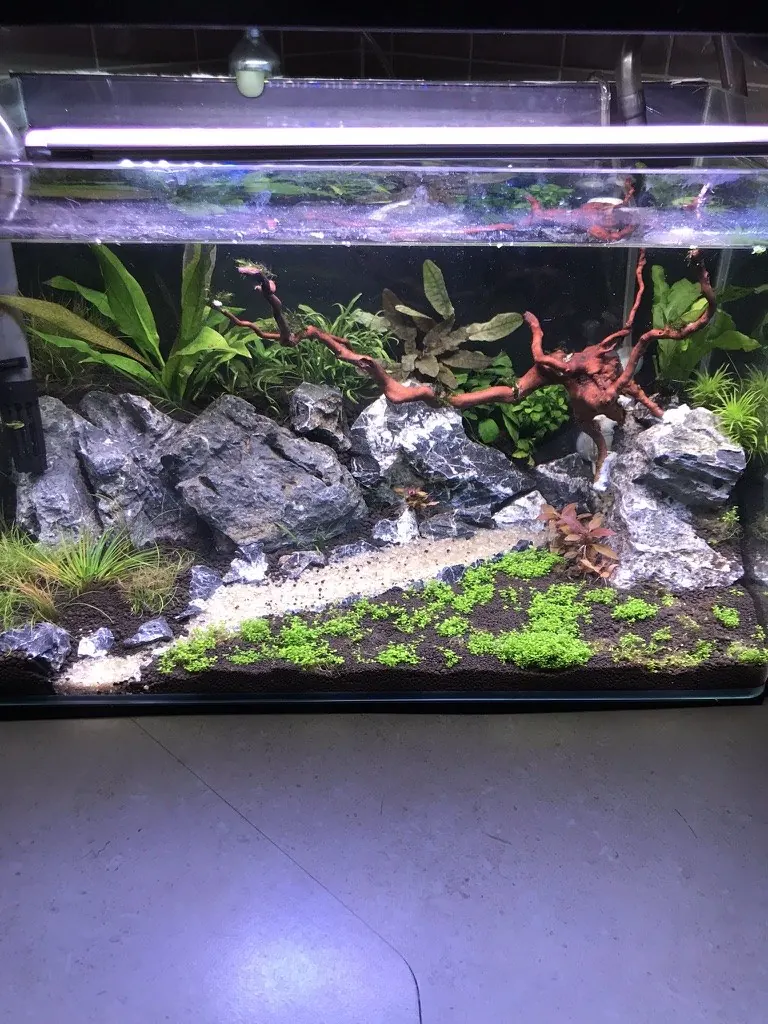
Here’s one of my own scapes over time — the same rocks, wood and layout, left to grow in. Patience does most of the work: you plant it, keep the water right, and let nature fill in the rest. Tap any photo to enlarge.
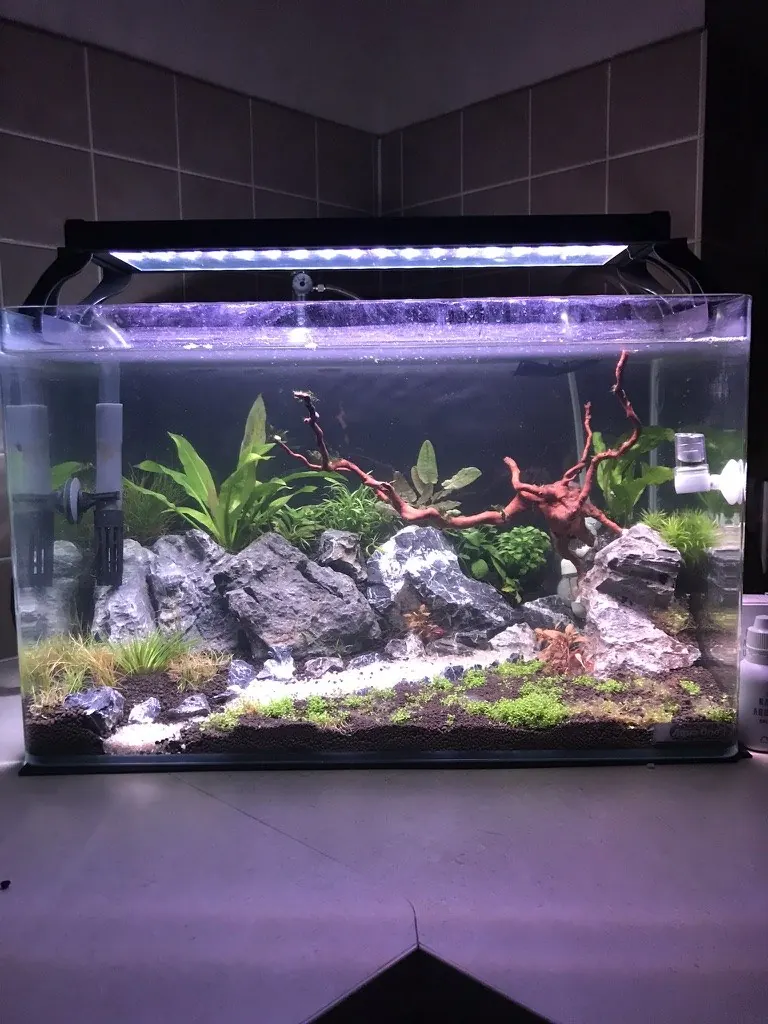
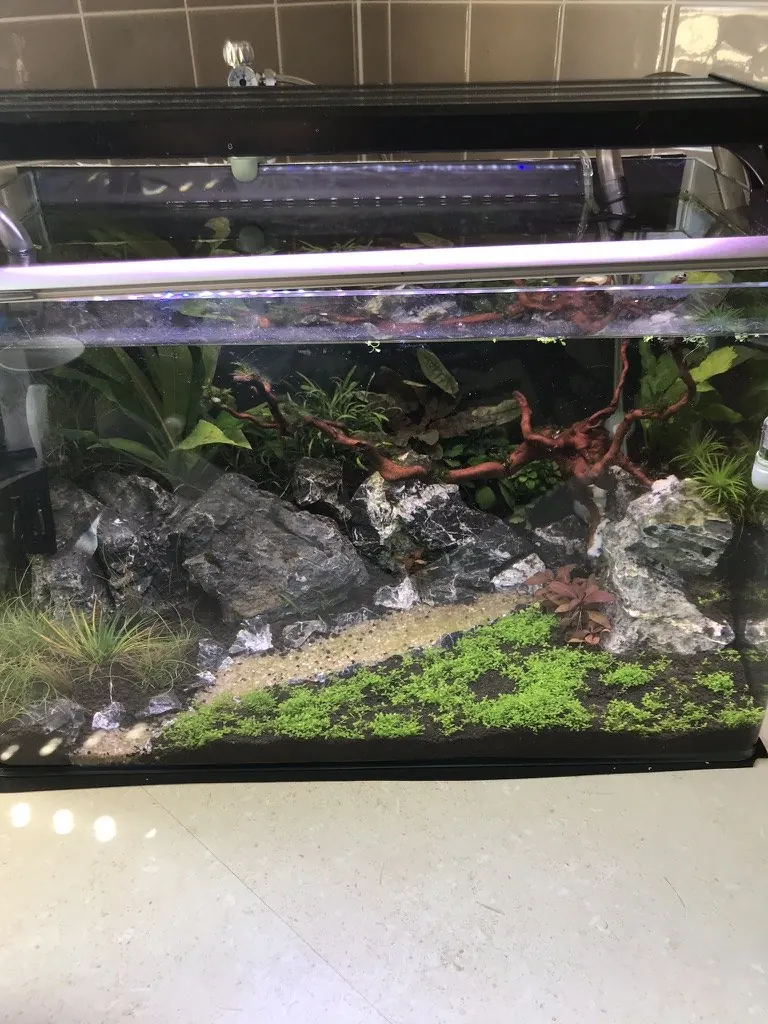
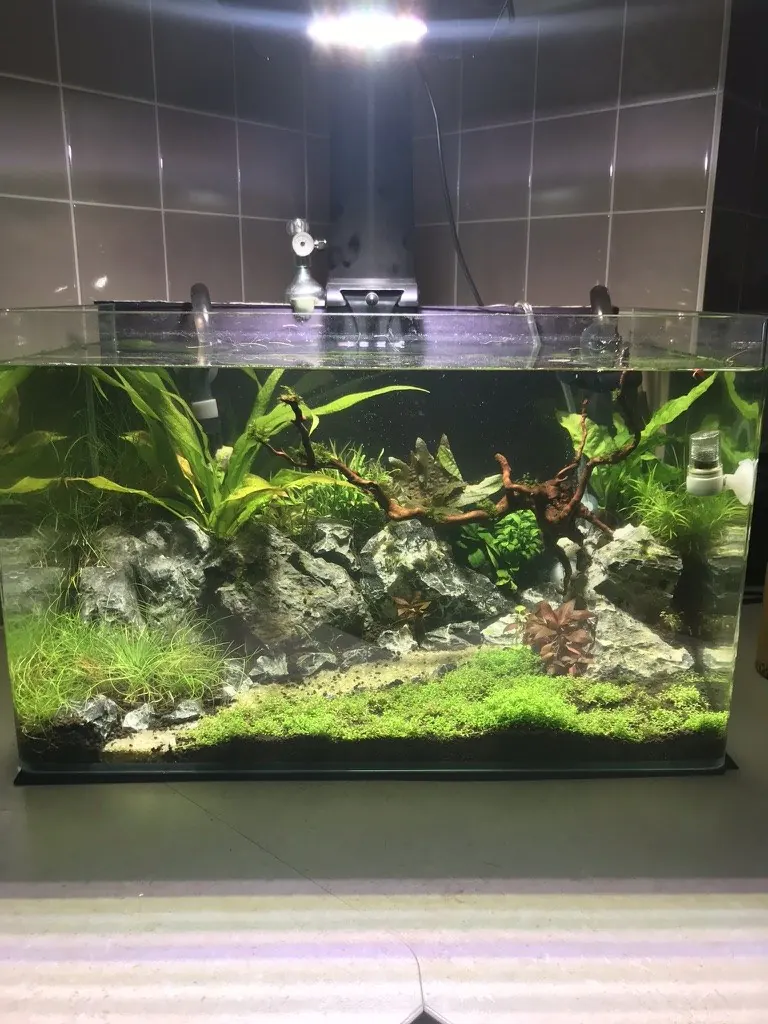
Keep it steady
Most tropical fish care less about the exact temperature than about it staying stable — sudden swings are what stress them. A heater sorts winter; in a Brisbane summer it’s worth keeping an eye that a tank doesn’t overheat on the hot days (a little like the rest of your pets — see keeping pets cool in a Brisbane summer).
Look after the water, and the water looks after the fish.
Leaving a tank while you travel
A settled tank is one of the lower-drama things to leave with a sitter: pre-portioned food or an auto-feeder, a stable temperature, and someone to check it over and top up for evaporation. When I’m minding fish and planted tanks I check the temperature, the water clarity and the equipment on every visit — the same way I do with my own. If you’re briefing a sitter, the things worth writing down are feeding amounts, the target temperature, which bits of equipment matter, and what “normal” looks like on the day — because you know your tank better than anyone walking in the door.
Fish, reptiles & exotics
The pets others won’t take.
Aquariums, reptiles, birds and small pets — I’m happy with the animals a lot of sitters turn away. Book a free meet & greet across Western Brisbane & Ipswich.
Book a meet & greet