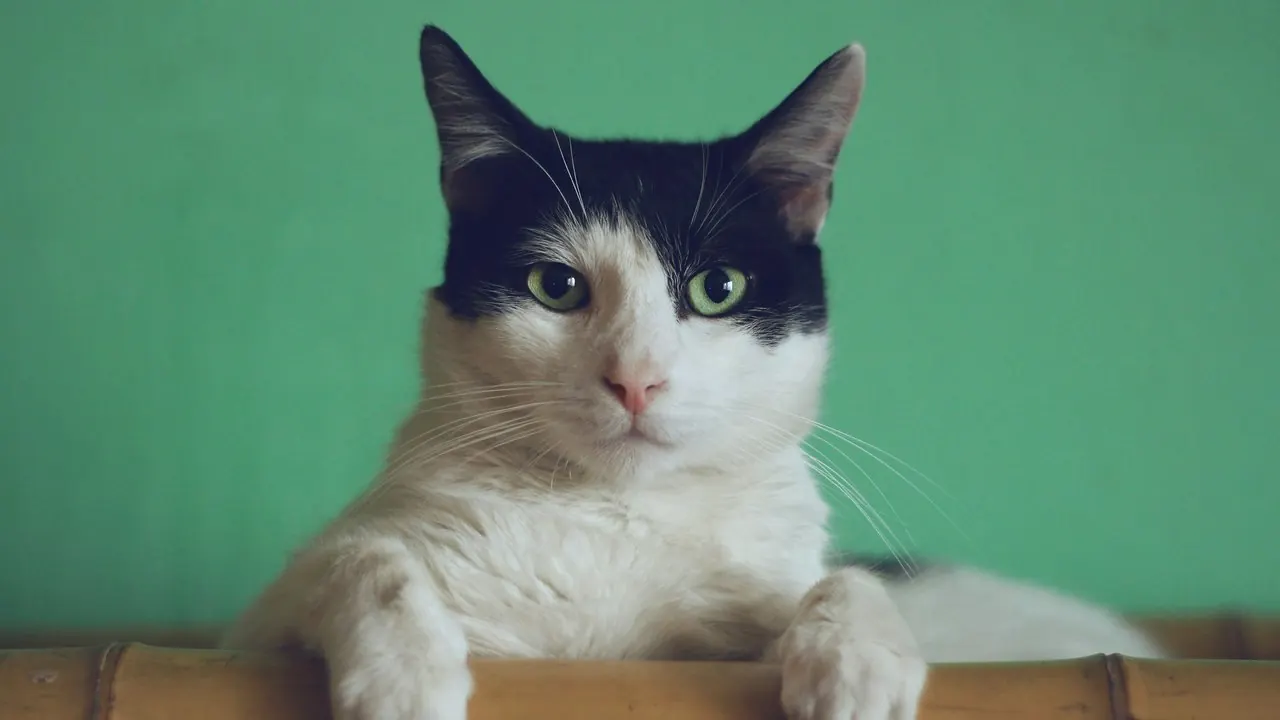
Cats communicate in quieter ways than dogs. Where a dog tends to wear its mood on its tail, a cat uses a subtler mix of sound, body movement and behaviour. Once you can read those cues, it’s easier to know what your cat needs — and the two of you get on better for it.
1. The Language of the Tail
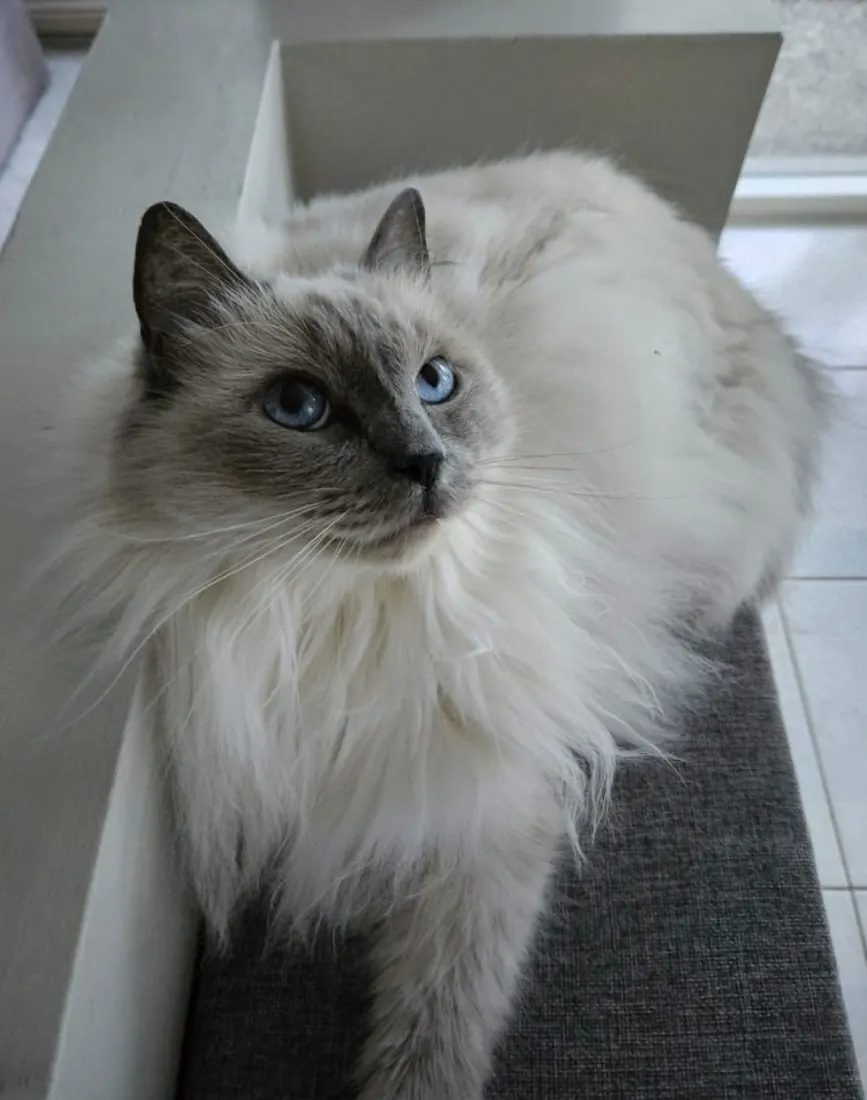
Your cat’s tail is one of the clearest indicators of their mood.
- Tail up, tip relaxed: Your cat is happy and confident.
- Tail puffed: Fear or high alert.
- Tail low or tucked: Feeling nervous or threatened.
- Slowly swishing tail: Focused or slightly irritated — time to give some space.
2. Vocal Clues and What They Mean
Cats develop a special “vocabulary” for their humans.
- Soft meows: A friendly greeting or request.
- Trills and chirps: Affection or excitement (common when they greet you at the door).
- Long, drawn-out meows: A demand — often for food or attention!
- Hissing or growling: A warning that they feel threatened.
3. Eye Contact and Blinking
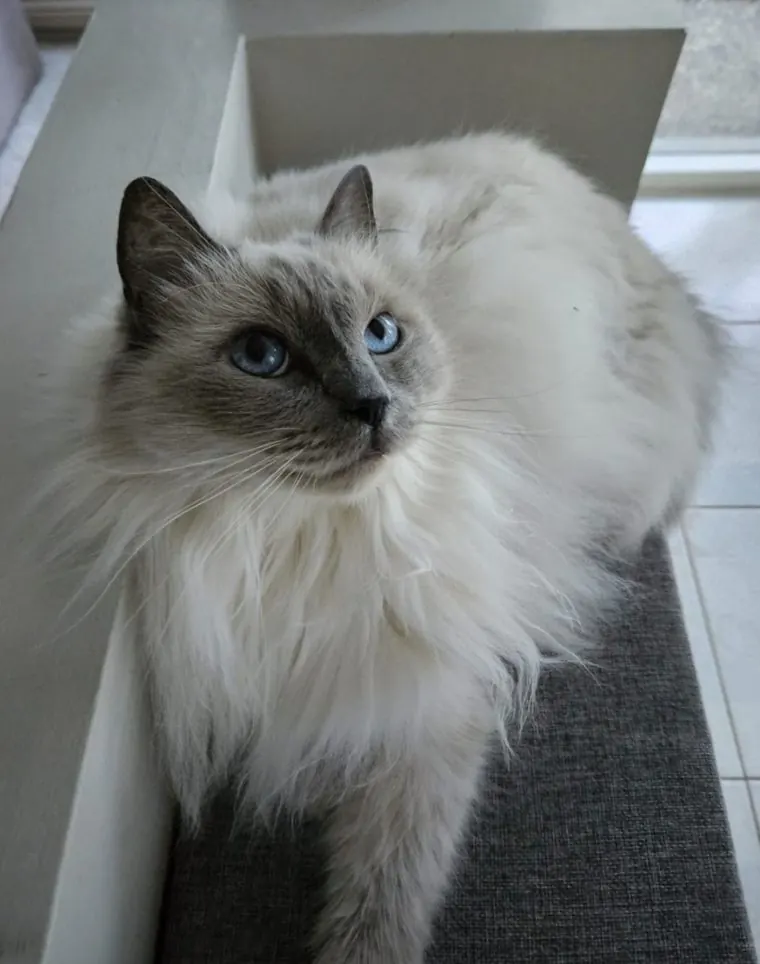
Cats use eye contact sparingly — but meaningfully.
- Slow blinks: The feline version of “I trust you.” Try blinking back slowly — it’s a bonding gesture!
- Wide eyes and dilated pupils: Surprise, fear, or hunting excitement.
- Narrowed eyes: Calm or focused — often seen during relaxed moments or grooming.
4. Body Posture and Position
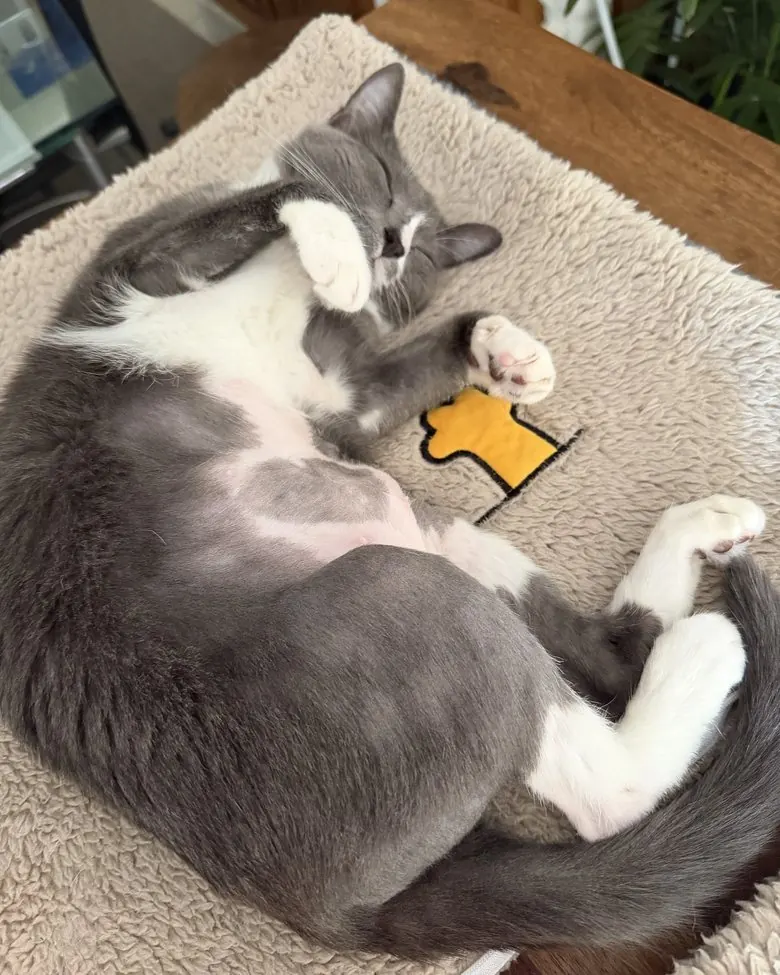
How your cat holds itself says a lot:
- Curled up: Content and comfortable.
- Back arched, fur raised: Defensive or startled.
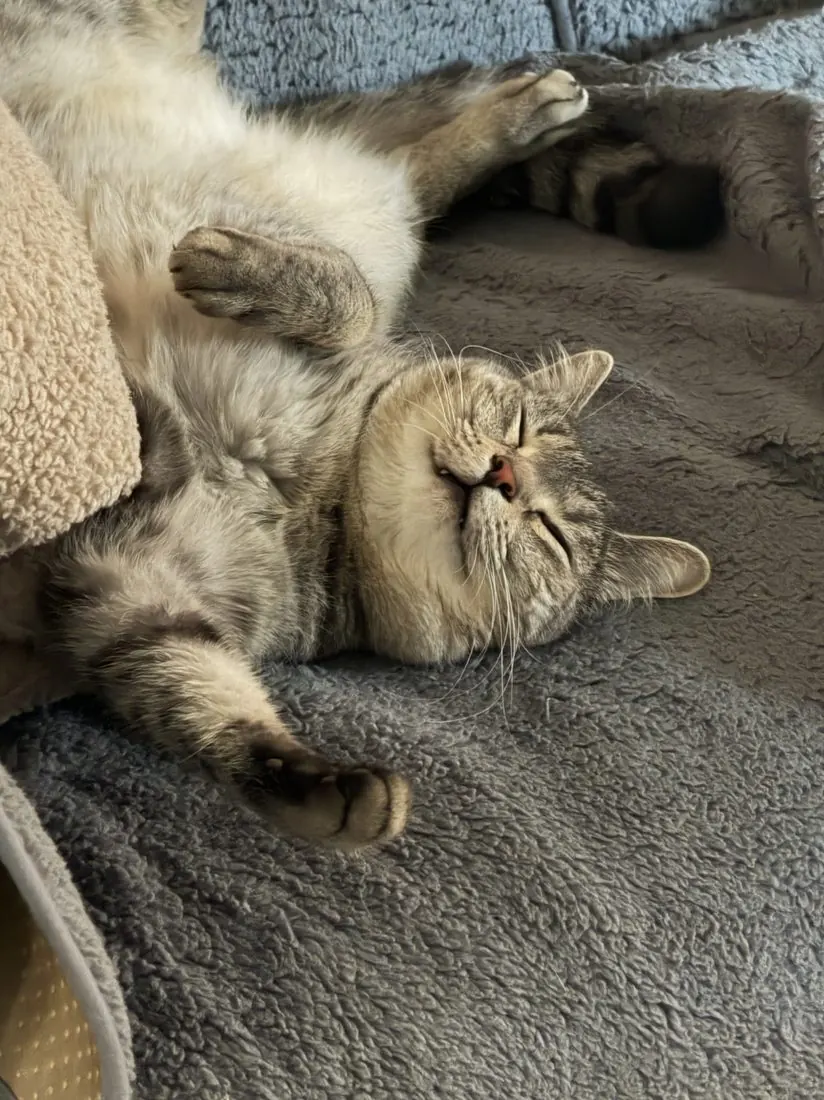
- Exposed belly: Trust — though not always an invitation to touch!
- Leaning or rubbing against you: A mark of affection (and scent claiming).
5. Behavioural Messages
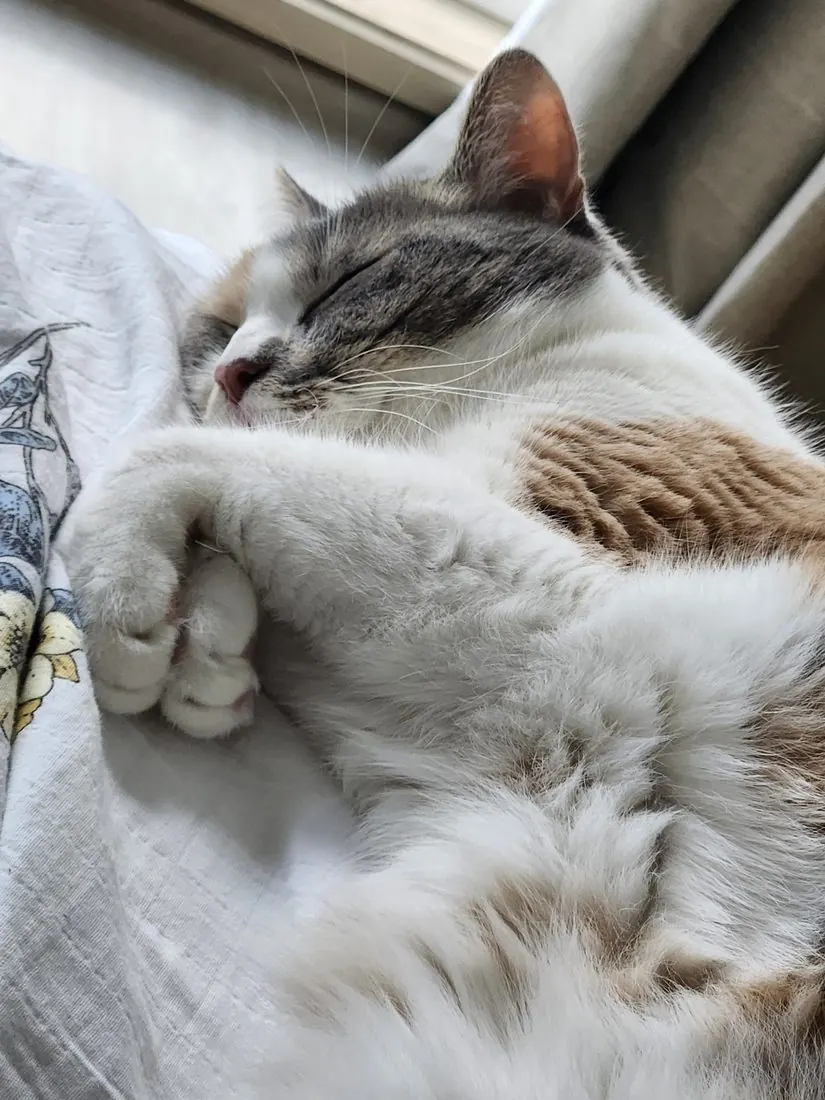
Beyond body language, everyday habits say a lot about how your cat is feeling — and how they’re doing health-wise.
- Sudden hiding: Fear, stress, or illness.
- Excessive grooming: Anxiety or skin irritation.
- Kneading: Comfort and affection carried over from kittenhood.
- Bringing “gifts”: Your cat sees you as part of their family — and they’re sharing success!
Every tail flick, blink, and chirp is a form of conversation.
Listening Builds Trust
The more you watch your cat, the more fluent you get in their language. Every tail flick, blink and chirp is part of the conversation. A cat that feels understood is a calmer, happier one.
Going away soon?
We’ve got them covered.
Book a free meet & greet and let us care for your pets in the comfort of their own home across Western Brisbane & Ipswich.
Book a meet & greet